روغن پلی استر یا روغن POE چیست؟

 روغن پلی استر یا روغن POE چیست؟

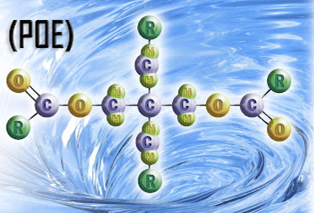
روغن‌های پایه استر پلی ال سنتزی هستند که برای استفاده به عنوان مایعات کمپرسورهای تبرید طراحی شده‌اند. این روغن‌ها دارای ویژگی‌های عالی در تحمل آب و خواص دمای پایین هستند که منجر به نقاط فلوک مطلوب برای مخلوط‌های مبرد-روغن می‌شود. همچنین، این روغن‌ها به دلیل ارائه‌ی روانکاری و پایداری بهتر و همچنین سازگاری بیشتر با مبردهای HFC نسبت به روغن‌های سنتزی و معدنی با کاربرد مشابه، مورد توجه قرار می‌گیرند. 

ویژگی‌ها و مزایای روغن پلی استر

  • روغن‌های POE روان‌کننده‌های عالی هستند که نسبت به انواع PAG کمتر جاذب رطوبت بوده و از نظر شیمیایی در حضور آب پایدارتر از انواع PAG هستند. روغن‌های POE برای استفاده در تمام کاربردهای تبرید و تهویه مطبوع طراحی شده‌اند.
  • نقطه انجماد پایین
  • خواص جریان‌یابی بسیار خوب در دماهای پایین
  • پایداری حرارتی و شیمیایی بالا

عملکرد روغن پلی استر یا روغن POE چیست؟

  • پایداری شیمیایی عالی، حتی در دماهای پایین، و کاملاً سازگار با مبردهای دوستدار محیط زیست HFC مانند R134A.
  • پایداری عالی در برابر اکسیداسیون در دماهای بالا، کنترل تبخیر و تولید اکسیدها، حفظ تمیزی اواپراتور و بهبود کارایی کمپرسور.
  • سیالیت عالی در دماهای پایین، کاهش ریسک ذخیره‌سازی روغن و مسدود شدن لوله‌ها و بهبود کارایی اواپراتور.
  • حفظ خواص روانکاری در محیط‌های دمای بالا یا پایین، کنترل سایش و حفاظت از اجزای اصلی کمپرسور.
  • پایداری هیدرولیتیکی خوب، جلوگیری از خوردگی قطعات فشرده‌سازی.
  • سازگار با روغن‌های معدنی، آلکیل بنزن (AB)، پلی آلفا اولفین (PAO) و پلی وینیل اتر (PVE). 

کاربرد روغن POE

روغن‌های POE با مبردهای R-134a ،  R-410A و R-12 سازگار هستند. روغن‌های POE به عنوان روان‌کننده در سیستم‌هایی که از مبرد HFC-134a استفاده می‌کنند، به ویژه زمانی که CFC-12 جایگزین می‌شود، به کار می‌روند، زیرا این سیستم‌ها به طور سنتی از روغنی استفاده می‌کنند که HFC-134a با آن به خوبی مخلوط نمی‌شود. این روغن‌ها در سیستم‌های تبرید هیدروفلورکربن (HFC) بدون کلر استفاده می‌شوند، زیرا روانکاری و پایداری بهتری را ارائه می‌دهند و نسبت به روغن‌های سنتزی و معدنی با کاربرد مشابه، با مبردهای HFC سازگاری بیشتری دارند.

تفاوت‌های کلیدی بین روغن POE و روغن معدنی

روغن POE (روغن پلی‌اول استر) یک روان‌کننده سنتزی است که از طریق استریفیکاسیون پلی‌ال‌ها و اسیدهای چرب تولید می‌شود و به خاطر طبیعت قطبیتش شناخته می‌شود. در مقابل، روغن‌های معدنی روان‌کننده‌های طبیعی هستند که از نفت خام به دست می‌آیند.

در اینجا تفاوت‌های کلیدی بین آن‌ها آورده شده است:

خواص شیمیایی: روغن POE یک روان‌کننده سنتزی است که به خاطر قطبیت بالا و پایداری شیمیایی‌اش شناخته می‌شود و به آن اجازه می‌دهد که در دماهای وسیع به طور مؤثر عمل کند. از طرف دیگر، روغن معدنی یک روان‌کننده طبیعی است که معمولاً از نظر شیمیایی کمتر پایدار است.

عملکرد: روغن POE دارای مقاومت حرارتی و پایداری اکسیداسیون عالی است و حتی در شرایط دما و بار بالا، خواص روانکاری خود را حفظ می‌کند. در مقابل، روغن معدنی عملکرد روانکاری نسبتاً ضعیفی دارد و در معرض دما و بار بالا به راحتی تجزیه و اکسید می‌شود.

تأثیر بر محیط زیست: روغن POE قابل تجزیه زیستی است و تأثیر کمتری بر محیط زیست دارد، در حالی که روغن معدنی به راحتی تجزیه نمی‌شود و خطر بیشتری برای محیط زیست ایجاد می‌کند.

هزینه: روغن POE معمولاً گران‌تر است، در حالی که روغن معدنی از نظر قیمت مقرون به صرفه‌تر است.

در کاربردهای عملی، روغن POE معمولاً در سیستم‌های روانکاری که نیاز به دما، بار، سرعت یا تمیزی بالا دارند، مانند کمپرسورها و تجهیزات تبرید، استفاده می‌شود. در حالی که روغن معدنی معمولاً در سیستم‌های روانکاری عمومی، از جمله ابزارهای ماشینی و سیستم‌های انتقال، به کار می‌رود.

روغن POE از روغن معدنی در چهار جنبه کلیدی متفاوت است

جاذب رطوبت

روغن معدنی جاذب رطوبت نیست و مولکول‌های آب را جذب نمی‌کند و معمولاً نیازی به نگرانی درباره جذب رطوبت توسط روغن معدنی نداریم. هر زمان که سیستم‌هایی که از روغن POE استفاده می‌کنند را نصب یا باز می‌کنید، باید یک خلاء عمیق ایجاد کنید. سپس، آن سیستم باید به طور کامل بسته بماند و فقط برای سرویس باز شود. روغن POE به قدری جاذب رطوبت است که می‌تواند رطوبت را از طریق پلاستیک جذب کند.

هیدرولیز

روغن POE تنها رطوبت را جذب نمی‌کند؛ بلکه آب با روغن POE واکنش نشان می‌دهد و آن را به اجزای پایه‌اش، یعنی اسیدها و الکل‌ها، تجزیه می‌کند. این فرآیند غیرقابل بازگشت است و آن اسیدها می‌توانند به خطوط و اجزای فلزی آسیب برسانند. در نتیجه، ممکن است با رسوب مس در کمپرسور و سوختن آن مواجه شوید. بنابراین، اگر مشکوک به آلودگی روغن هستید، باید آزمایش اسید انجام دهید.

مواد افزودنی

روغن POE حاوی برخی مواد افزودنی، از جمله بازدارنده‌های خوردگی است. با اینکه روغن POE به طور کامل مایع به نظر می‌رسد، اما این مواد افزودنی در واقع مواد جامد هستند. زمانی که هر نوع افزودنی وجود دارد، چه آن‌ها با روغن همراه باشند و چه آن‌ها را به سیستم اضافه کنید، باید از سرد شدن بیش از حد مبرد جلوگیری کنید. مناطق سرد در سیستم باعث می‌شوند که مواد جامد شروع به تجمع کنند، که می‌تواند منجر به مسدود شدن صافی‌ها و خشک‌کن‌ها شود.

قطبیت

ساختار مولکولی روغن‌های POE، PAG و PVE باعث می‌شود که آن‌ها به آب جذب شوند، اما آب تنها چیزی نیست که این مولکول‌ها به آن جذب می‌شوند.

روغن POE قطبی است، به این معنی که مولکول‌های آن به چیزهایی مانند رسوب مقیاس درون لوله‌ها چسبیده می‌شوند. هنگامی که این روغن POE درون لوله‌ها حرکت می‌کند، اکسید مس را از داخل لوله‌ها جدا می‌کند. این مقیاس سیاه می‌تواند فیلترها، دریچه‌ها و لوله‌ها را مسدود کند.

 روغن پلی استر یا روغن POE چیست؟

what is POE Oils?

POE oils are synthetic polyol ester-based lubricants designed for use as compressor fluids in refrigeration systems. These oils exhibit excellent water tolerance and low-temperature properties, resulting in favorable flow points for refrigerant-oil mixtures. Additionally, they are favored for providing better lubrication and stability, as well as greater compatibility with HFC refrigerants compared to similar synthetic and mineral oils.

Features and Benefits:

  • POE oils are excellent lubricants that are less hygroscopic than PAG types and are chemically more stable in the presence of water than PAGs. They are designed for use in all refrigeration and air conditioning applications.
  • Low freezing point
  • Very good flow properties at low temperatures
  • High thermal and chemical stability

Performance

  • Excellent chemical stability, even at low temperatures, and fully compatible with environmentally friendly HFC refrigerants such as R134A.
  • Outstanding oxidation stability at high temperatures, controlling evaporation and the production of oxides, maintaining evaporator cleanliness, and improving compressor efficiency.
  • Excellent fluidity at low temperatures, reducing the risk of oil storage issues and line blockages, and enhancing evaporator performance.
  • Retention of lubricating properties in high or low-temperature environments, controlling wear and protecting key compressor components.
  • Good hydrolytic stability, preventing corrosion of compression parts.
  • Compatible with mineral oils, alkyl benzene (AB), polyalphaolefin (PAO), and polyvinyl ether (PVE).

Applications

POE oils are compatible with refrigerants R-134a, R-410A, and R-12. They are used as lubricants in systems utilizing HFC-134a, especially when CFC-12 is being replaced, as these systems traditionally used oils that do not mix well with HFC-134a. These oils are employed in chlorine-free hydrofluorocarbon (HFC) refrigeration systems, as they provide better lubrication and stability and have greater compatibility with HFC refrigerants compared to similar synthetic and mineral oils.

Key Differences Between POE Oil and Mineral Oil

POE oil (Polyolester Oil) is a synthetic lubricant created through the esterification of polyols and fatty acids, characterized by its polar nature. In contrast, mineral oils are natural lubricants derived from petroleum.

Here are the key differences between them:

Chemical Properties: POE oil is a synthetic lubricant known for its high polarity and chemical stability, allowing it to maintain effective lubrication across a wide temperature range. On the other hand, mineral oil is a natural lubricant that tends to be chemically less stable.

Functional Performance: POE oil exhibits excellent heat resistance and oxidation stability, retaining its lubricating properties even under high temperature and load conditions. In contrast, mineral oil has relatively inferior lubricating performance and is prone to decomposition and oxidation when exposed to high temperatures and loads.

Environmental Impact: POE oil is biodegradable and has a lower environmental impact, whereas mineral oil is not easily degradable and poses a greater risk to the environment.

Cost: POE oil is generally more expensive, while mineral oil is more affordable.

In practical applications, POE oil is commonly used in lubrication systems that require high temperature, high load, high speed, or high cleanliness, such as compressors and refrigeration equipment. Mineral oil, however, is typically used in general lubrication systems, including machine tools and transmission systems.

POE oil differs from mineral oil in four key aspects:

Moisture Absorption

Mineral oil is not hygroscopic and does not absorb water molecules, so there is usually no concern about moisture absorption with mineral oil. Whenever you install or open systems that use POE oil, a deep vacuum must be created. The system should then remain completely sealed and only opened for servicing. POE oil is so hygroscopic that it can absorb moisture through plastic.

Hydrolysis

POE oil not only absorbs moisture but also reacts with water, breaking down into its base components, namely acids and alcohols. This process is irreversible, and these acids can damage metal lines and components. As a result, you may encounter copper plating in the compressor and potential burnout. Therefore, if you suspect oil contamination, an acid test should be performed.

Additives Materials

POE oil contains certain additives, including corrosion inhibitors. While POE oil appears to be a complete liquid, these additives are actually solid materials. Whenever any type of additive is present, whether they are mixed with the oil or added to the system, care must be taken to prevent the refrigerant from cooling too much. Cold spots in the system can cause solids to start accumulating, which can lead to clogging of filters and driers.

Polarity

The molecular structure of POE, PAG, and PVE oils makes them hygroscopic, but water is not the only thing these molecules attract.

POE oil is polar, meaning its molecules cling to things like scale buildup inside the lines. As this POE oil moves through the lines, it strips cupric oxide from the insides of the piping. This black scale can clog filters, valves, and lines.